|
版主
  
|
1楼帖子
大 中
小 发表于 2013-5-24 11:06 显示全部帖子
如何拍摄车辆:基本
HOW TO SHOOT CARS: THE BASICS怎么拍车图:基本

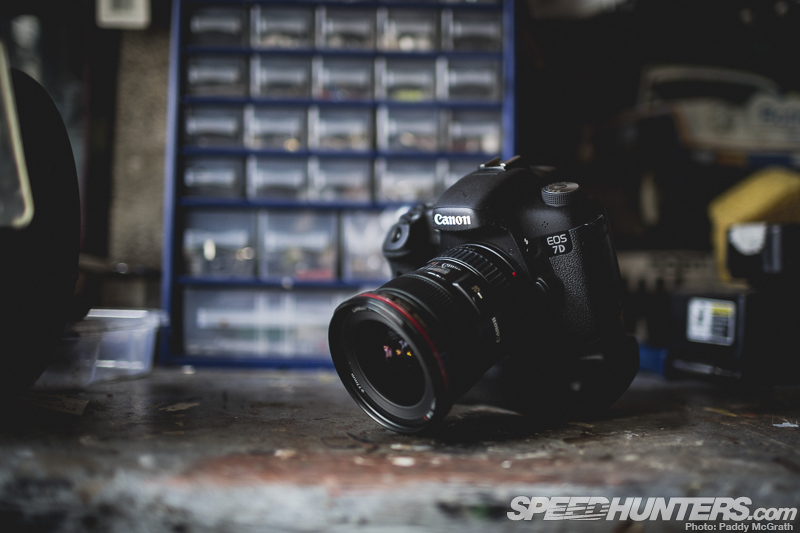 Following on from the introduction to our Speedhunters Photography Guide last month, we’re now going to talk you through the basics of using a modern digital SLR type camera. Although they may look intimidating, most modern digital cameras are actually quite easy and intuitive to use. For the purpose of this guide, we’re going to talk around the general operation of a Canon EOS 7D which is quite similar to a lot of the Canon range. Where possible, we’ll try and mention the equivalent settings on a Nikon camera. Don’t worry, it won’t be too hard to figure out.
继从引进到Speedhunters摄影指南上个月,我们现在要谈如何使用现代型数码单反相机的基本知识。虽然他们可能看起来吓人,不过最现代化的数码相机其实是很容易和直观的使用。对于本指南的目的,我们要谈围绕佳能EOS7D,佳能范围内很多颇为相似的一般操作。在可能的情况下,我们会尽量提尼康相机上的等效设置。不要担心,这会不会太很难搞清楚。
Following on from the introduction to our Speedhunters Photography Guide last month, we’re now going to talk you through the basics of using a modern digital SLR type camera. Although they may look intimidating, most modern digital cameras are actually quite easy and intuitive to use. For the purpose of this guide, we’re going to talk around the general operation of a Canon EOS 7D which is quite similar to a lot of the Canon range. Where possible, we’ll try and mention the equivalent settings on a Nikon camera. Don’t worry, it won’t be too hard to figure out.
继从引进到Speedhunters摄影指南上个月,我们现在要谈如何使用现代型数码单反相机的基本知识。虽然他们可能看起来吓人,不过最现代化的数码相机其实是很容易和直观的使用。对于本指南的目的,我们要谈围绕佳能EOS7D,佳能范围内很多颇为相似的一般操作。在可能的情况下,我们会尽量提尼康相机上的等效设置。不要担心,这会不会太很难搞清楚。
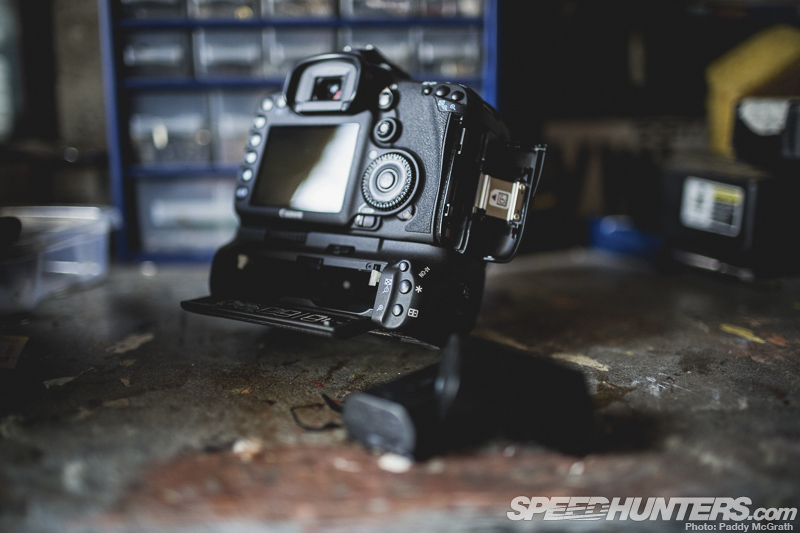 The main components of a modern DSLR are the body, lens, battery and memory card. It can be pretty easy to overlook the last two of these components but they are all required should you want to go shooting. For batteries, I would always recommend OEM and for memory cards, the fastest card you can afford in a reasonable size. I would never go over 32GB (as should it fail, you’re going to lose a LOT of work) and I personally prefer SanDisk as I’ve never had any issues with them.
现代的数码单镜反光相机的主要组成部分是机身,镜头,电池和存储卡。人们很容易忽略了最后的两个组件,但他们都是你拍摄的重要用品。电池,总是建议使用追加,确保长时间使用。记忆卡,一定要最快的卡,我永远不会超过32GB(操作失败或者损坏,你会失去很多工作成果),我个人比较喜欢SanDisk的,个人使用还是没有出过任何问题。
The main components of a modern DSLR are the body, lens, battery and memory card. It can be pretty easy to overlook the last two of these components but they are all required should you want to go shooting. For batteries, I would always recommend OEM and for memory cards, the fastest card you can afford in a reasonable size. I would never go over 32GB (as should it fail, you’re going to lose a LOT of work) and I personally prefer SanDisk as I’ve never had any issues with them.
现代的数码单镜反光相机的主要组成部分是机身,镜头,电池和存储卡。人们很容易忽略了最后的两个组件,但他们都是你拍摄的重要用品。电池,总是建议使用追加,确保长时间使用。记忆卡,一定要最快的卡,我永远不会超过32GB(操作失败或者损坏,你会失去很多工作成果),我个人比较喜欢SanDisk的,个人使用还是没有出过任何问题。
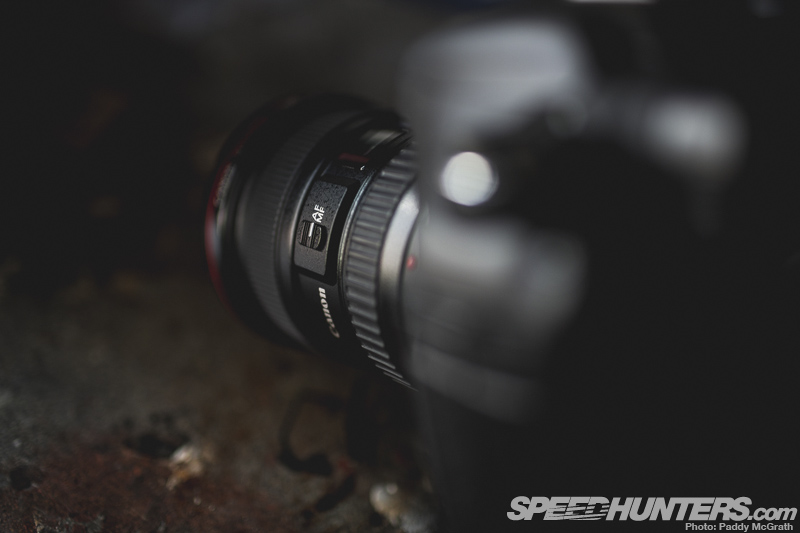 One of the things that makes modern digital photography so accessible is just how good modern auto-focus systems are. There are occasions where you’ll need to shoot manual focus, but these times are quite rare.
现代数码相机有真非常好的自动对焦系统,他们会自动对焦你需要拍摄的物体。在动态拍摄时,手动对焦可能不适合了,因为时间总是飞快地流失。
One of the things that makes modern digital photography so accessible is just how good modern auto-focus systems are. There are occasions where you’ll need to shoot manual focus, but these times are quite rare.
现代数码相机有真非常好的自动对焦系统,他们会自动对焦你需要拍摄的物体。在动态拍摄时,手动对焦可能不适合了,因为时间总是飞快地流失。
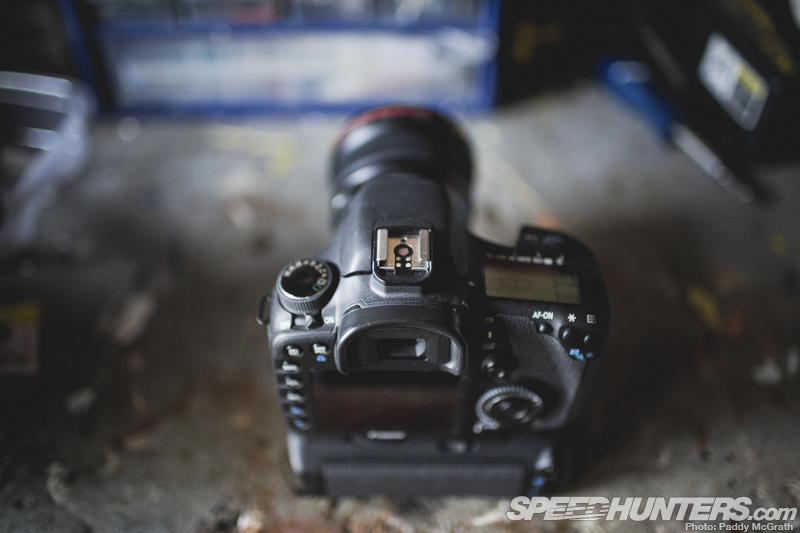 The capture of an image is determined by a combination of three main factors: Aperture, Shutter Speed and ISO.
捕获的图像,是由三个主要因素:光圈,快门速度和ISO的组合。
The capture of an image is determined by a combination of three main factors: Aperture, Shutter Speed and ISO.
捕获的图像,是由三个主要因素:光圈,快门速度和ISO的组合。
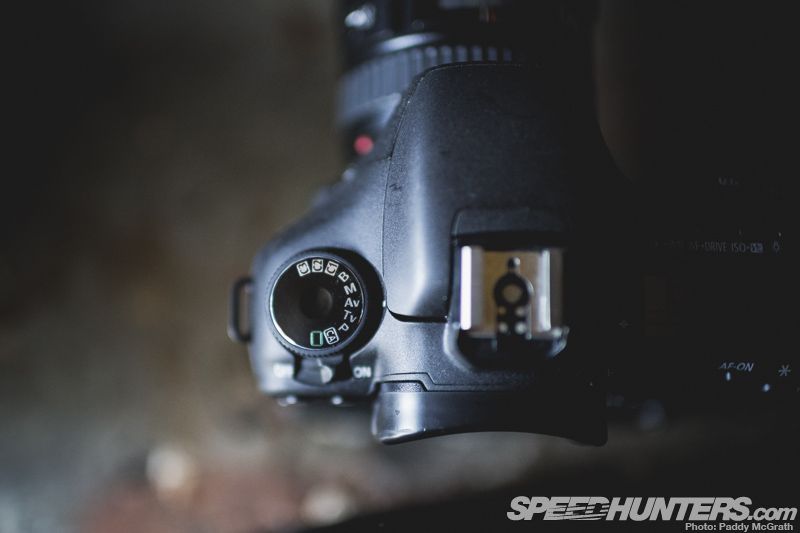 Aperture
Latin for ‘opening’, the aperture mechanism is housed inside the lens. In most cases it is simply an electronically controlled iris that can be opened wide or closed down to control the amount of light passing through the lens into the camera. When wide open (which equates to a low F/Number i.e. f/2.8) the lens is allowing the maximum amount of light it is capable of to pass through. An effect of a wide aperture is a much narrower depth of field (less objects in focus). In contrast when the aperture is closed down to its smallest opening (which equates to a high F/Number i.e. f/16), the lens is allowing the least amount of light to pass through. This results in a wider deeper depth of field (more objects in focus).
The Av mode (A on Nikon) on your camera gives you full control of your aperture settings, whilst forcing the camera to calculate the correct corresponding shutter speed.
光圈
拉丁'开口',被收纳在镜头内的光圈机构。在大多数情况下,它是一个简单的电子控制的光圈,可以敞开或关闭的量来控制光通过透镜进入相机。当敞开(相当于低F/数即f/2.8镜头)镜头允许的最大的光量通过。会令对焦对象更明显,背景变得模糊和深入,相反的镜头光圈关闭时,最小的开口部(相当于高F/数即f/16时),允许的光量至少通过。这将会得到更广阔的景物(更多焦点的对象)
(尼康是A)AV模式让你完全控制你的光圈设置,同时迫使相机来计算正确的相应的快门速度。
Aperture
Latin for ‘opening’, the aperture mechanism is housed inside the lens. In most cases it is simply an electronically controlled iris that can be opened wide or closed down to control the amount of light passing through the lens into the camera. When wide open (which equates to a low F/Number i.e. f/2.8) the lens is allowing the maximum amount of light it is capable of to pass through. An effect of a wide aperture is a much narrower depth of field (less objects in focus). In contrast when the aperture is closed down to its smallest opening (which equates to a high F/Number i.e. f/16), the lens is allowing the least amount of light to pass through. This results in a wider deeper depth of field (more objects in focus).
The Av mode (A on Nikon) on your camera gives you full control of your aperture settings, whilst forcing the camera to calculate the correct corresponding shutter speed.
光圈
拉丁'开口',被收纳在镜头内的光圈机构。在大多数情况下,它是一个简单的电子控制的光圈,可以敞开或关闭的量来控制光通过透镜进入相机。当敞开(相当于低F/数即f/2.8镜头)镜头允许的最大的光量通过。会令对焦对象更明显,背景变得模糊和深入,相反的镜头光圈关闭时,最小的开口部(相当于高F/数即f/16时),允许的光量至少通过。这将会得到更广阔的景物(更多焦点的对象)
(尼康是A)AV模式让你完全控制你的光圈设置,同时迫使相机来计算正确的相应的快门速度。
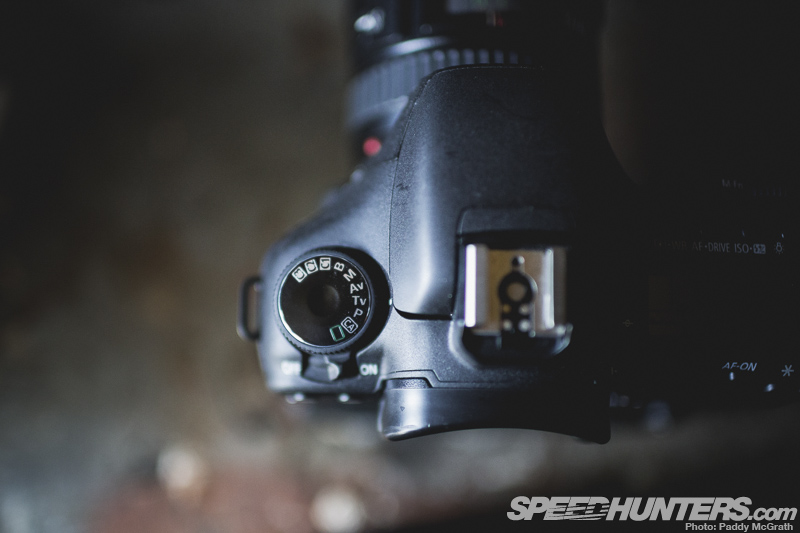 Shutter Speed
Inside your camera, between the lens and the sensor is a vital piece of your camera, the shutter. The shutter performs two simple operations, to open and to close. Once opened, the shutter allows whatever light is passing through the lens onto the sensor. It’s easier to speak of this in film terms as the principals and results are the same, just the technologies vary. If you can envision that once the shutter opens, the light immediately begins to ‘burn’ the sensor, imprinting an image onto it. The shutter closes and the image is burned onto the sensor. Now if you can imagine the shutter opening for a longer period of time, not only is more light burning the sensor but the available light has more time to move about on the sensor. This can result in an overexposed (too bright) image or a blurry image. If you open the shutter for a shorter amount of time, the light may not have enough time to burn an image to the sensor resulting in an underexposed (darker) image.
Tv mode (S on Nikon) on your camera gives you full control of your shutter speed settings, whilst forcing the camera to calculate the correct corresponding aperture value.
快门速度
在你的相机,镜头和传感器之间是一个重要的一块,你的相机快门。快门执行两个简单的操作,打开和关闭。一旦打开,快门允许光通过透镜到传感器上。它更容易在电影方面发言的校长和结果都是一样的,只是技术有所不同。如果你可以设想,一旦快门打开,光线立刻开始'烧'传感器,印迹图像到传感器上。现在,如果你可以想像快门开启一段较长的时间,不仅是燃烧传感器的更多的光,但在现有的光线具有更多的时间来移动。这可能会导致过度曝光(太亮)图像或图像模糊。如果你打开快门的时间更短,光线可能不会有足够的时间来刻录的图像曝光不足(较暗)图像传感器。
TV模式(S on 尼康)在您的相机,让你完全控制快门速度设置,同时迫使相机来计算正确的相应的光圈值。
Shutter Speed
Inside your camera, between the lens and the sensor is a vital piece of your camera, the shutter. The shutter performs two simple operations, to open and to close. Once opened, the shutter allows whatever light is passing through the lens onto the sensor. It’s easier to speak of this in film terms as the principals and results are the same, just the technologies vary. If you can envision that once the shutter opens, the light immediately begins to ‘burn’ the sensor, imprinting an image onto it. The shutter closes and the image is burned onto the sensor. Now if you can imagine the shutter opening for a longer period of time, not only is more light burning the sensor but the available light has more time to move about on the sensor. This can result in an overexposed (too bright) image or a blurry image. If you open the shutter for a shorter amount of time, the light may not have enough time to burn an image to the sensor resulting in an underexposed (darker) image.
Tv mode (S on Nikon) on your camera gives you full control of your shutter speed settings, whilst forcing the camera to calculate the correct corresponding aperture value.
快门速度
在你的相机,镜头和传感器之间是一个重要的一块,你的相机快门。快门执行两个简单的操作,打开和关闭。一旦打开,快门允许光通过透镜到传感器上。它更容易在电影方面发言的校长和结果都是一样的,只是技术有所不同。如果你可以设想,一旦快门打开,光线立刻开始'烧'传感器,印迹图像到传感器上。现在,如果你可以想像快门开启一段较长的时间,不仅是燃烧传感器的更多的光,但在现有的光线具有更多的时间来移动。这可能会导致过度曝光(太亮)图像或图像模糊。如果你打开快门的时间更短,光线可能不会有足够的时间来刻录的图像曝光不足(较暗)图像传感器。
TV模式(S on 尼康)在您的相机,让你完全控制快门速度设置,同时迫使相机来计算正确的相应的光圈值。
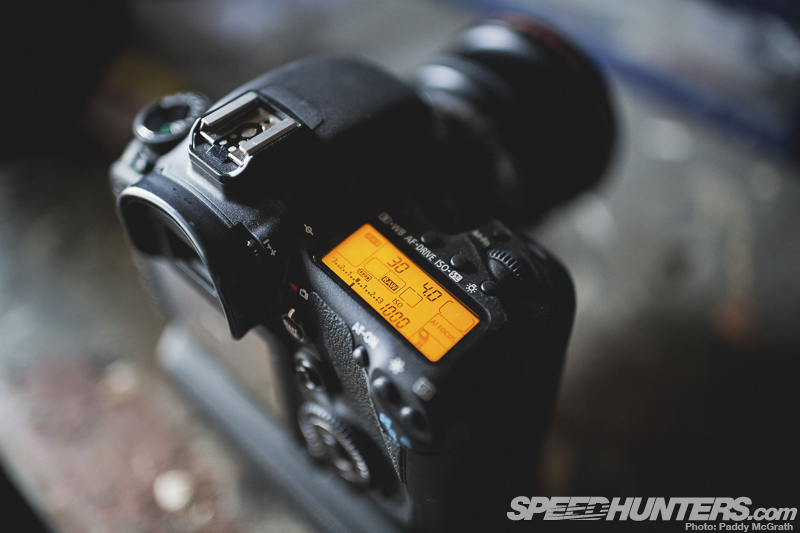 ISO
The ISO determines just how sensitive your sensor is to light. The higher the number, the more sensitive. There are drawbacks however for using a higher ISO, as the resulting images will contain significantly higher noise levels (which manifests itself as small coloured dots across the image), will be slightly softer and the colours will be a little muted also. You should always try and use the lowest possible ISO for any given situation.
Photography really is as simple as these three factors. You don’t need to memorize f/numbers, shutter speeds and ISOs for any situation, just be aware of the results of adjusting any of the factors in any direction. It all boils down to allowing more light into the camera or less light into the camera.
ISO
ISO决定传感器敏感程度。该数字越大,越敏感。但是也有缺点,使用较高的ISO,生成的图像将包含显着更高的噪点(体现在图像上的彩色小圆点),将小幅走软,颜色也有影响。任何情况下,你应该总是尝试尽可能低的ISO。
摄影真的很简单,这三个因素。您不需要记住任何情况下F /数字时,快门速度和ISO,只是调整的效果。这一切都归结于让多少的光线进入相机
ISO
The ISO determines just how sensitive your sensor is to light. The higher the number, the more sensitive. There are drawbacks however for using a higher ISO, as the resulting images will contain significantly higher noise levels (which manifests itself as small coloured dots across the image), will be slightly softer and the colours will be a little muted also. You should always try and use the lowest possible ISO for any given situation.
Photography really is as simple as these three factors. You don’t need to memorize f/numbers, shutter speeds and ISOs for any situation, just be aware of the results of adjusting any of the factors in any direction. It all boils down to allowing more light into the camera or less light into the camera.
ISO
ISO决定传感器敏感程度。该数字越大,越敏感。但是也有缺点,使用较高的ISO,生成的图像将包含显着更高的噪点(体现在图像上的彩色小圆点),将小幅走软,颜色也有影响。任何情况下,你应该总是尝试尽可能低的ISO。
摄影真的很简单,这三个因素。您不需要记住任何情况下F /数字时,快门速度和ISO,只是调整的效果。这一切都归结于让多少的光线进入相机
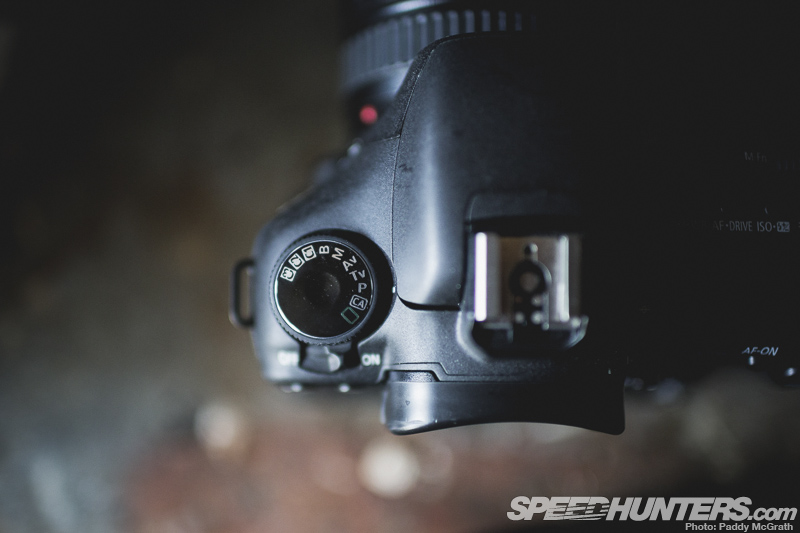 Should you just want to get out there and start shooting, P (for Program) will probably be best suited to your needs. P varies from the full automatic mode on your camera in that it will allow you some creative control such as exposure compensation (where you can specify if you want the image to be darker or brighter.
如果想更自主,那就使用P档,在全方位自设定的情况下会有更多的创意发生。
Should you just want to get out there and start shooting, P (for Program) will probably be best suited to your needs. P varies from the full automatic mode on your camera in that it will allow you some creative control such as exposure compensation (where you can specify if you want the image to be darker or brighter.
如果想更自主,那就使用P档,在全方位自设定的情况下会有更多的创意发生。
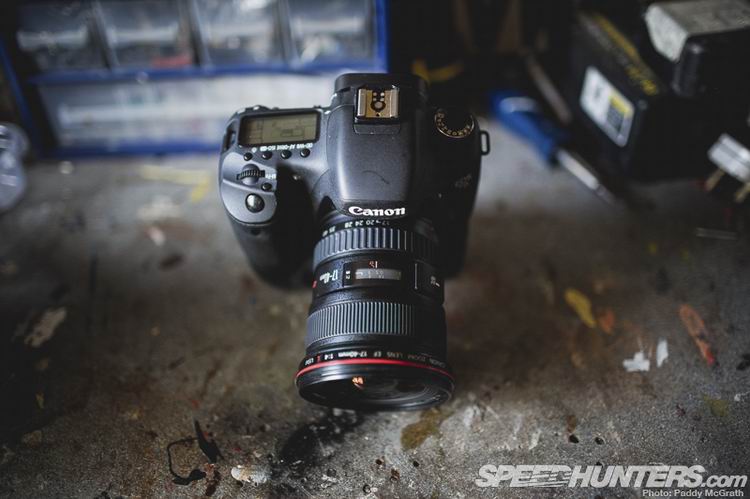 I’ve a small pet hate when it comes to photography – people asking me what settings I used to take a particular photograph. First of all, I can never remember. Secondly, it doesn’t really matter a whole lot because the settings you use will only be suited to the exact conditions that photograph was taken in. I’ve always tried to push the point across to people that you need to stop worrying about the numbers and concentrate more on what you are trying to achieve and how the basics can help you achieve your photographic goals. I’ve put together a couple of different situations below, what I wanted to achieve and how I went about achieving it.
很多人问我拍照时是如何设定的,我可以这样说,我不记得了,所有的东西都很随机。拍照的目的是传达实物。不要太关注设定,只要掌握基本的知识,调整到适合的范围就可以了。
I’ve a small pet hate when it comes to photography – people asking me what settings I used to take a particular photograph. First of all, I can never remember. Secondly, it doesn’t really matter a whole lot because the settings you use will only be suited to the exact conditions that photograph was taken in. I’ve always tried to push the point across to people that you need to stop worrying about the numbers and concentrate more on what you are trying to achieve and how the basics can help you achieve your photographic goals. I’ve put together a couple of different situations below, what I wanted to achieve and how I went about achieving it.
很多人问我拍照时是如何设定的,我可以这样说,我不记得了,所有的东西都很随机。拍照的目的是传达实物。不要太关注设定,只要掌握基本的知识,调整到适合的范围就可以了。
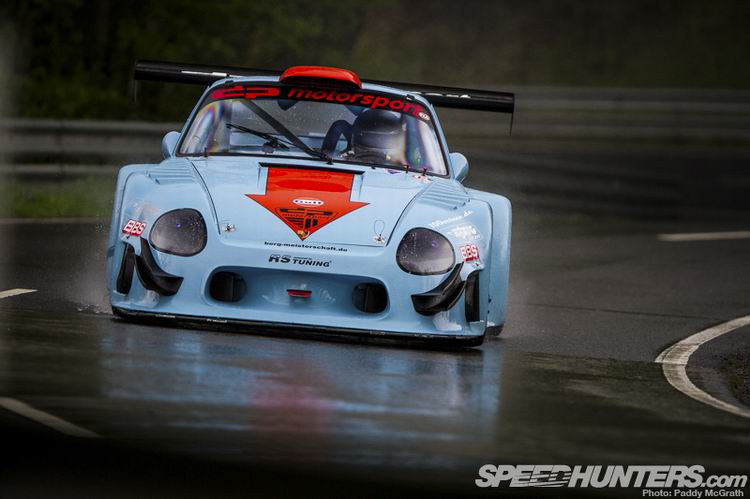
Example One : Hillcilmb, Porsche DP935, Head-on Shot, Overcast.
Canon EOS 7D, Canon 300 mm f/2.8 L IS, ISO400, f/2.8, 1/1600th
When shooting a car head-on coming towards you, it’s pretty hard to show any sort of movement in the photograph. In this situation, I always aim to get some nice bokeh (the quality of the out of focus area) behind the cars to help separate them from the background. To throw the background out of focus, I’ll need a shallow depth of field (low f/number). By shooting in Aperture priority mode, I leave the camera work out what shutter speed I’ll need to get a good exposure. Looking at our basics, I know that if I’m shooting at the widest aperture my lens will allow, I’m going to be letting in a lot of light. Because of this I know that my camera will use a relatively high shutter speed which is perfect for what I want to achieve.
 例子:Hillcilmb, Porsche DP935, Head-on Shot, Overcast.
Canon EOS 7D, Canon 300 mm f/2.8 L IS, ISO400, f/2.8, 1/1600th
拍摄时,一辆汽车迎面走来,这是相当困难的,以为对焦物在移动。在这种情况下,我想得到一些背景虚化出来突出焦点领域(凸显焦点区域的质量),让焦点和后面的车分离开。让背景失焦,我需要一个大光圈的镜头(低f /数值)。在光圈优先模式下拍摄时,我需要什么快门速度,以获得良好的曝光。看基础信息,我知道,如果我我的镜头将允许在最宽光圈拍摄,我将使用一个相对较快的快门速度。
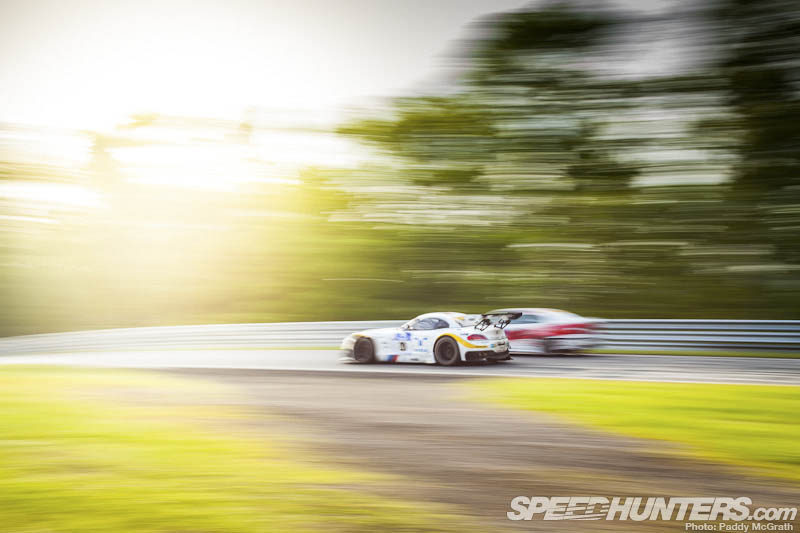
Example Two : Nürbrugring, BMW z4 GT3, Panning Shot, Sunny.
Canon EOS 5D MKII, Canon 17-40mm f/4 L, ISO50, f/10, 1/20th
It may seem similar to the first example but how you go about it is quite different. A panning shot should emphasize movement. To show movement we need to concentrate on shutter speed, so I would set the camera to shutter priority mode (Tv or S depending on make). The trick with achieving sharp panning shots is a steady hand and starting high. Start with a fast enough shutter to stop the car dead, then slowly and one click at a time, reduce the shutter speed until you find a balance where the car body is sharp but the wheels and background show a respectable amount of movement. Panning isn’t easy but can be mastered with lots and lots of practice.
例子2Nürbrugring, BMW z4 GT3, Panning Shot, Sunny.
Canon EOS 5D MKII, Canon 17-40mm f/4 L, ISO50, f/10, 1/20th
这是完全不同拍摄例子的"摇摄"。摇摄强调运动,显示运动,我们需要集中精力在快门速度,所以我将相机设置为快门优先模式(TV或尼康的S)。实现锐利的摇摄的诀窍是一个稳定的手,先把车对焦,手向车的移动方向移动,观测时机按下快门,图片效果是尖锐的,但车身的车轮和背景表现移动态。平移是不容易的,但可以掌握很多很多实践。
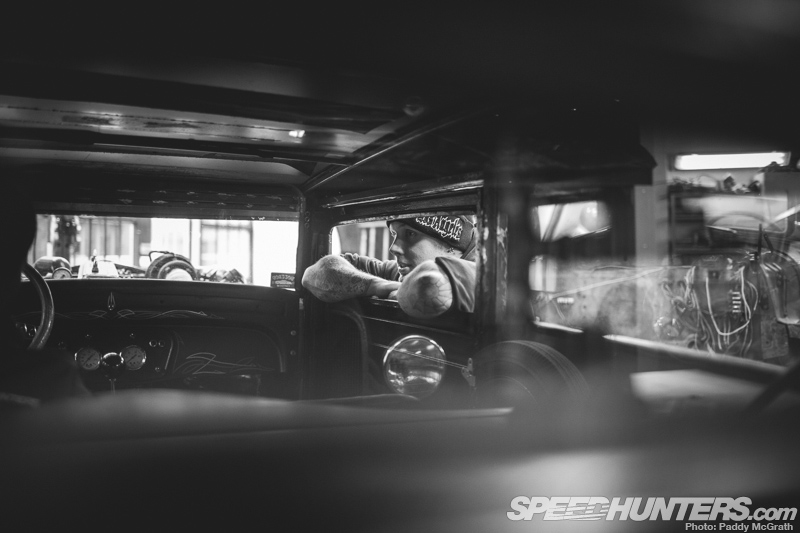
Example Three : Workshop, Person, Portrait, indoors.
Canon EOS 5D MKIII, Canon 35mm f/1.4L , ISO2000, f/1.6, 1/50th
These can be slightly trickier to pull off than you first might think. Being indoors, the lack of natural light means you will need to figure out how to allow the most light into the camera. I usually aim for a wide aperture opening and a high ISO to achieve the fastest shutter speed I can. You can also choose to sightly under-expose your image to give you an extra bump in shutter speed if required. It’s worth noting that the shorter your focal length, the slower shutter speed you can get away with. For example, the above was 1/50th on a 35mm lens which is borderline okay if you have steady hands and your subject doesn’t make any sudden movements. However, if you were to try the same shot at 1/50th at 200mm you might struggle for sharpness as even any slight movement of the lens is exaggerated by the longer focal length.

|



